FMES | HEaL Institute |
WHO-TDR Project | Community Engagement in Implementation research
PROJECT CONTENT PAGE
Eco-researchTM
Funding : WHO, Geneva, Switzerland
Forum for Medical Ethics Society (FMES) secured a grant from the World Health Organization (WHO) for a research initiative in the domain relating to significance of community engagement in implementation research context. WHO-TDR initiative under which this project has been supported intends to map current community engagement practices to identify good practices, and have a better understanding of the factors and barriers in engaging with communities in implementation research and social innovation in health.
We are one of the ten proposals which WHO-TDR initiative awarded the grants for. The project Eco-researchTM (Engagement of Communities in research in Tuberculosis and Mental Health) focuses on improving the engagement of communities in research and in social innovations to enhance health care delivery.
For this project, FMES has collaborated with two public health interventions namely, RATIONS (Reducing Activation of Tuberculosis by Improvement Of Nutritional Status) being implemented in four districts of Jharkhand and being led by Dr Anurag Bhargava and Dr Madhavi Bhargava, Department of Community Medicine, Yenepoya University, Mangalore, Karnataka; and TeaLeaf (TeaLeaf Teachers Leading the Frontlines: Improving access to children’s community mental health by meeting children in schools) being implemented in rural Darjeeling and being led by a team comprising of Dr Roshan P. Rai, Dr Christina M. Cruz, Ms Priscilla Giri, Dr Rinzi Lama, Dr Michael Matergia, Ms Choden Dukpa, and Ms Juliana Vanderburg and colleagues at Darjeeling Ladenla Road Prerna (DLR Prerna), Darjeeling, West Bengal.
Project title: A collaborative research initiative cataloguing key community engagement practices embedded in Implementation Research Public Health Projects Involving Disadvantaged (rural/indigenous) Communities in India.
Themes/ subthemes/tags: Community engagement practices, Qualitative Research method, Public Health, ImplementationScience, Ethics of Implementation Research
Duration : July 2021 – May 2022
Why Eco-researchTm Project?
This project aims to use qualitative methods to identify, catalog, evaluate best practices around community engagement in two sites in India: a TB-nutrition cluster randomized trial RATIONS happening in Jharkhand across four rural districts, and a school mental health intervention TeaLeaf in the Darjeeling hills, West Bengal. We will take a participatory and collaborative approach in the conduct of the studies. We will document and disseminate the learning in a proactive manner, including our research participants.
What is the potential Impact?
RATIONS and TeaLeaf projects are located in two different settings to address two different health concerns provide us a significant opportunity to catalogue community engagement practices in diverse contexts in more than one way with regards implementation research. These would provide us insights into contextual factors which influence CE and thereby uptake of the health interventions. We consider that this would be one of its first kinds of research and will contribute immensely to the community engagement practices in the implementation Research.
The results of our study will inform the better conduct of these studies with increased local buy-in as well as a realization of the crucial role that community engagement plays in trial conduct. We will also generate booklets for sharing the key findings with the local community members and academic outputs. We will use blogs and leverage social media for sharing project finding. We will also organize dissemination meetings in the communities where we conduct data collection. We will also aim to produce a few newspaper media articles (commentaries; op-eds) highlighting the importance, and processes involved in approaching community engagement in implementation science research
What is the RATIONS initiative?
RATIONS is designed to address the conceptual and programmatic gap in efforts towards eliminating TB. It is being implemented in four districts of the state of Chhattisgarh, India. It is embedded in the current public health care and food distribution systems. Social determinants are involved in the causation of TB and its adverse outcomes. “We suggest that TB elimination will require an optimal mix of enhanced biomedical and social interventions. TB elimination strategy in India needs a pro-poor model of patient – centered care inclusive of nutritional, psycho-social and financial support, universal health coverage, and social protection; and convergence with multi-sectoral efforts to address poverty, undernutrition, unsafe housing, and indoor pollution.? (Bhargava et al., 2020).
What is the TeaLeaf initiative of DLR Prenan, Darjeeling?
TeaLeaf is set in the rural Darjeeling Himalayas, a region of the State of West Bengal in India. Within India, the region is geographically and ethnically distinct. The site for the study is rural, low-cost community private schools. In Darjeeling’s current system of care, access to mental health services for rural families is essentially non-existent with a single psychiatrist available for only the most severe cases. Thus, in this setting “usual care” is typically “no care at all” and care delivered during the research effectively constitutes the entirety of the mental health system accessible to children.
————————————————————————–
Core project team
Dr Sunita VS Bandewar
Principal Investigator
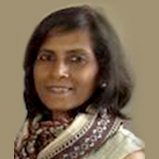
Sunita Bandewar has training in Anthropology and Bioethics. She was awarded an International Fellowship by the International Fogarty Centre, NIH, USA, to pursue a Masters in Health Sciences (Bioethics) at the Joint Centre for Bioethics, University of Toronto, Canada, in 2003-04. She was a senior research fellow in bioethics and global health at the University of Toronto on the initiative titled 201 Ethical, Social, Cultural Program in Global Health 201, Canada, for five years. Her engagement with health as a field of enquiry over these past 30 years is primarily via empirical research and advocacy in the areas of women and health, gender-based violence, global health, and bioethics, global health, research methodology, program evaluation, and policy analysis. She is the General Secretary, FMES, and serves on the core editorial team of the Indian Journal of Medical Ethics (IJME), and heads FMES’ newly established programmatic platform namely, Health, Ethics and Law Institute (HEaL Institute) for Training, Research and Advocacy. She serves on the International Ethics Review Board, Medecins Sans Frontieres, Geneva. Her contributions at ResearchGate
Dr Anant Bhan
Co- Investigator
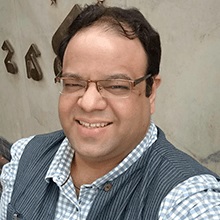
Dr. Anant Bhan is a physician with a masters’ degree in bioethics from the University of Toronto. He is a researcher in global health, bioethics and health policy. He is also Adjunct Professor, Yenepoya (deemed to be University), Mangalore, India and Adjunct Faculty, Kasturba Medical College, Manipal, India. Anant is Immediate Past President, International Association of Bioethics. His work is focused on ethics and equity in health, mental health, digital health, public health ethics, research ethics, community engagement, ethics of innovative technologies and ethics training for professionals. Anant is based at Bhopal, India. https://www.linkedin.com/in/anant-bhan-53233b11/
Dr Sharanya Sreekumar
Independent researcher
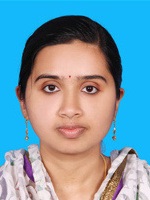
Dr Sharanya S is Public Health Dentist completed from Rajiv Gandhi University of Health Sciences in 2019 and completed Post Graduate Diploma in Bioethics and Medical ethics (PGDBEME) from Yenopoya University of Mangalore. She has completed certificate program in epidemiology and Biostatistics from Manipal University. She has also completed her training on Qualitative Research methods and analysis at Schizophrenia Research Foundation (SCARF), Chennai. She is currently a clinician and researcher in the field of Public health and Bioethics. https://www.linkedin.com/in/sharanya-sreekumar-3a35b0157/
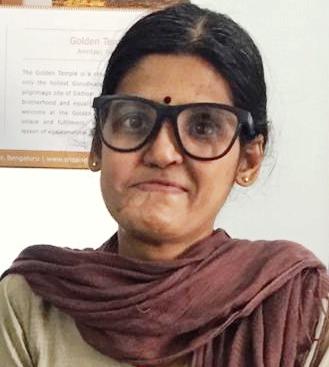
Dr Parimala. S
Independent researcher.
Dr Parimala S is a qualified epidemiologist and a PhD scholar having expertise in Public health, Epidemiological studies in Integrative therapies and policy making. She was associated with the Govt of Karnataka – Health & Family Welfare and National Rural Health Mission in her earlier assignments. She has worked in different capacities at renowned Think Tanks under the mentorship of eminent personalities like Retd. Chief Secretary to State, Sri S V Ranganath, Dr Anshu Bharadwaj, IAS and Dr HR Nagendra. She has authored couple of book chapters and research papers. She was appointed as a scientific reviewer of papers for the 5th International conference on Public Health organised by TIIKM in 2018. She has now been invited as Evaluation panel member/judge for Public health presentations at the 7 th ICOPH in 2021. She is a Multi Cultural ambassador for Mental Health Foundation Australia, Melbourne since 2019 and loves to be in company of kids. Her areas of interest are Epidemiology, Non communicable diseases, Gender & Ethics.
Tea Leaf Team at DLR Prerna:
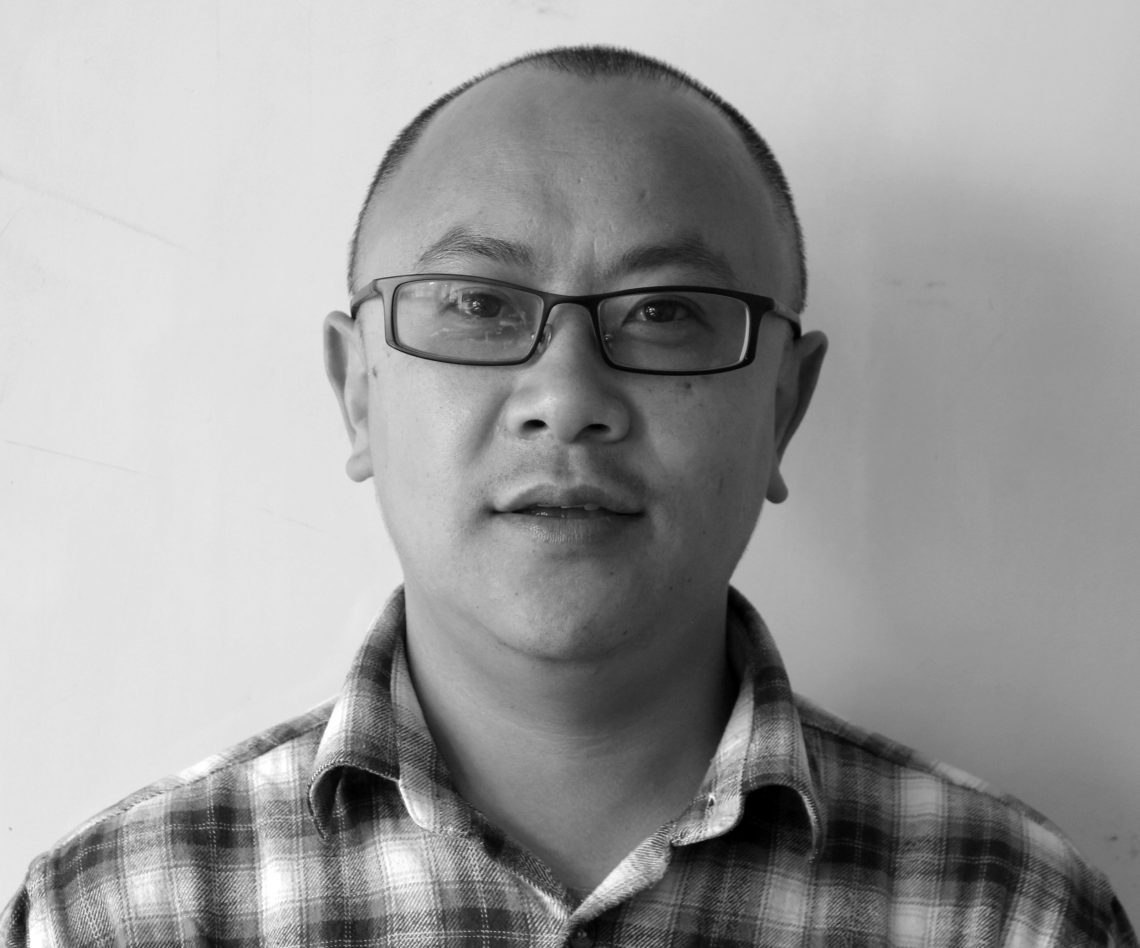
Dr Roshan P. Rai
Roshan P. Rai is a development practitioner with DLR Prerna, Darjeeling-basedNGO(www.darjeelingprerna.org) having studied PG Dip Rural Development and Management.He works on issues of environment and social equity in the Darjeeling Himalaya. His work inDLR Prerna has revolved around partnerships with marginal communities where seminalexperiences like Darjeeling’s first small farmer organic and fair-trade collective Mineral Spring Sanjukta Vikash Sanstha have evolved in 2001. With special interest on participatory governance, his intervention has revolved around inclusions in fair-trade movements in tea, conservation efforts, small farmer collectives, traditional community-based organisations and NGOs. He works on waste with Zero Waste Himalaya and has partnered with local urban bodies,communities and educational institutions in promoting sustainable waste management practices. In recent years he has been focusing on local food cultures, zero waste, water and communities and climate change. Roshan representing, DLR Prerna engages at a landscape and policy level through educational institutions and platforms like Darjeeling Himalaya Initiative; Integrated Mountain Initiative.
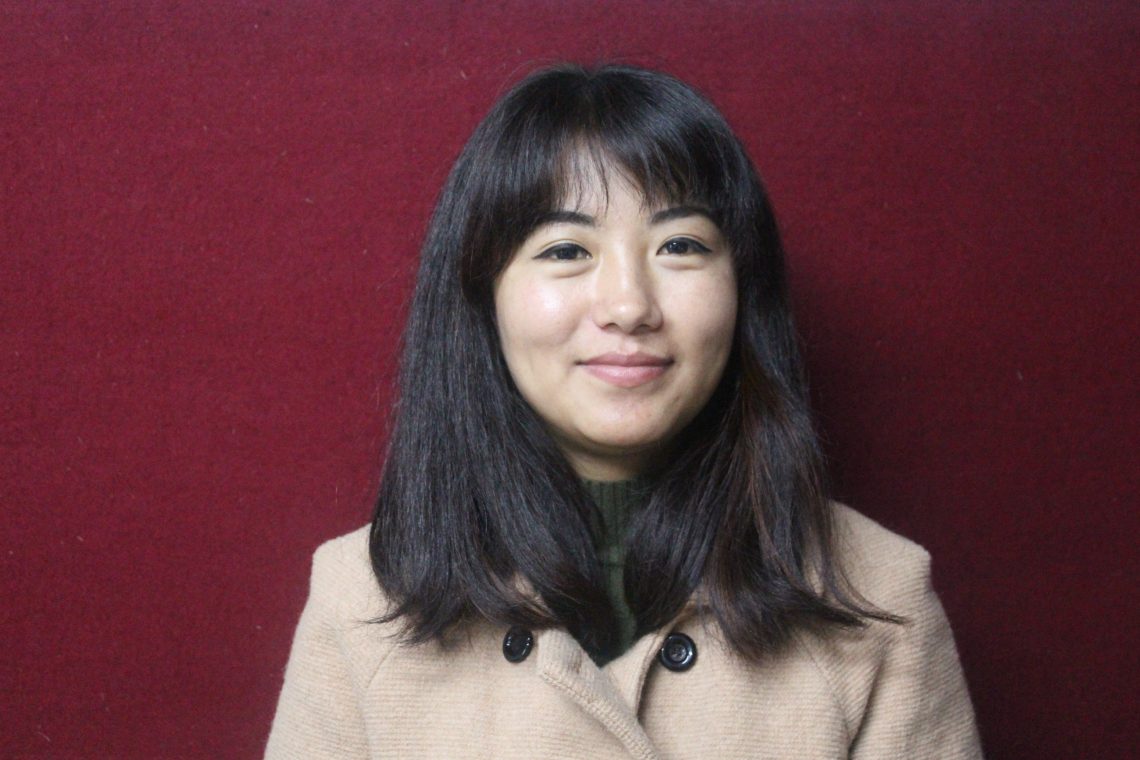
Ms Priscilla Giri
Priscilla Giri is a research administrator with an organisation DLR Prerna, leading a research program TeaLeaf (Teachers Leading the Frontline) Mansik Swastha in Darjeeling, India. Experienced in project designing, implementation and evaluation. Has worked with the schools in rural communities in Darjeeling for the past eight years and involved in the mental health program for five years. Priscilla Giri has completed her master’s degree on Medical and Psychiatric Social Work from St. Joseph’s College, Bangalore, and a one year course on Narrative Therapy from Ummeed’s Mental Health Training Program, Mumbai.
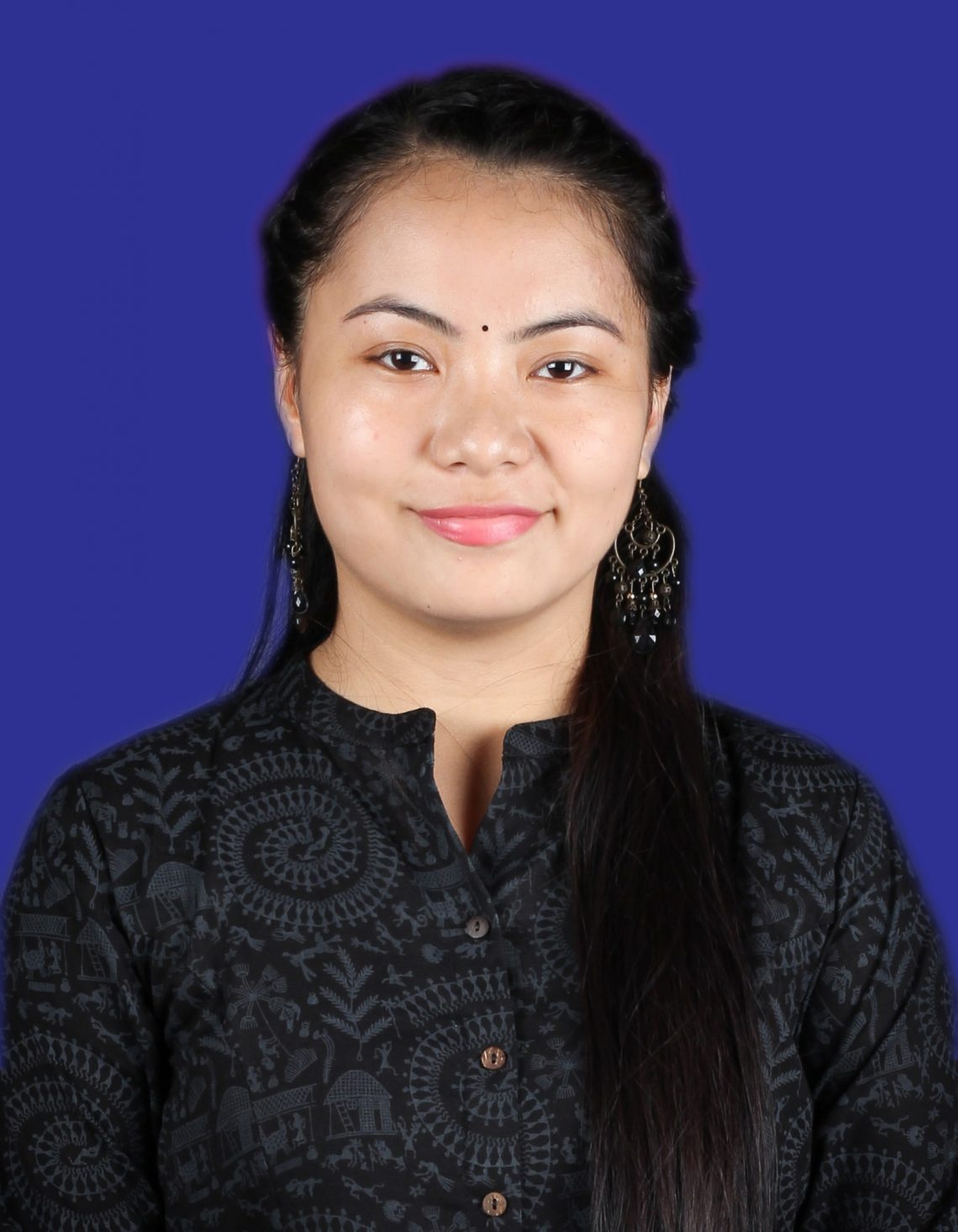
Ms Choden Dukpa
Choden Dukpa is a Research Assistant at Darjeeling Ladenla Road Prerna, a Darjeeling based NGO. She is currently involved in conducting research activities in a child mental health project in the rural areas of Darjeeling. She is also a fellow at South Asia Implementation Research Fellowship (SPIRIT) 2020-21 batch. Choden has worked as a Young Professional under National Rural Livelihood Mission, Government of Bihar. She has a Masters in Social Work from Tata Institute of Social Sciences, Mumbai and specialises in Livelihoods and Social Entrepreneurship and has worked in different parts of India such as Gujarat, Maharashtra and West Bengal including outside the country such as Nepal.
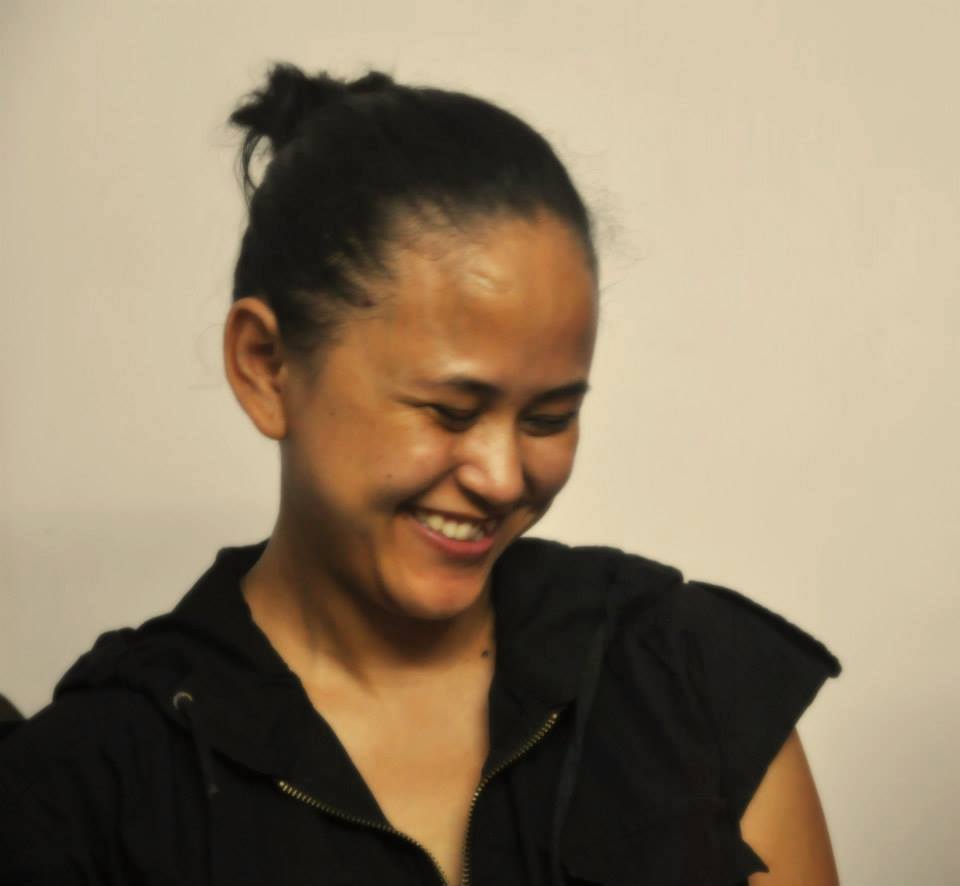
Dr Rinzi Lama
Rinzi Lama has her training in Anthropology and is Assistant Professor, Department of Anthropology, University of North Bengal. She has her Master’s degree from Pune University and her doctoral degree from Indian Institute of Technology Bombay. She is from Darjeeling and her research interest is centred around the thematic of medicine, healing practices, and identity politics. Her doctoral research focusing on Medical Anthropology and healing practices in Darjeeling sought to bring forth the interwovenness of medicine, the notion of health and the context and the particularities of the communities where these practices thrive. She has been engaged in research work in Darjeeling as Senior Program Officer, Ashoka Trust for Research in Ecology and the Environment (ATREE) Darjeeling, and has worked in the area of sustainable livelihood and environment, and environmental education. Since 2019 she has been working as a part of the -research team in school-based mental health project, Teachers Leading the Frontlines (TeaLeaf): a teacher-delivered child mental healthcare in rural primary schools in Darjeeling. https://www.linkedin.com/in/rinzi-lama-ph-d-29736750/
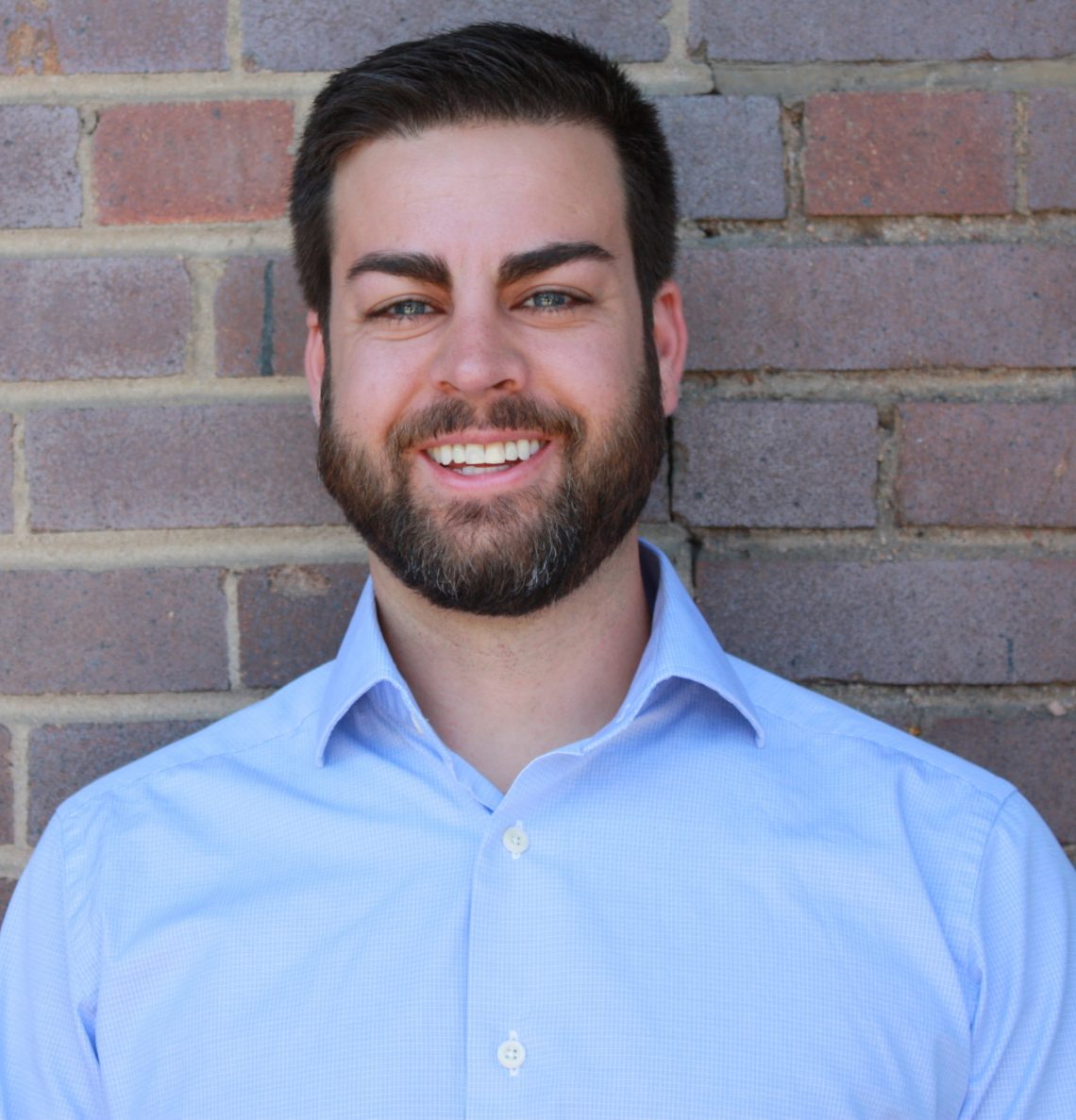
Dr Michael Matergia
Michael Matergia is the Chief Executive Officer of Broadleaf Health and Education Alliance. Alongside his collaborators at Broadleaf and DLR Prerna, Dr. Matergia is dedicated to advancing health and wellbeing in the Darjeeling Himalayas. Currently, he is focused on implementing a lay fieldworker led school health program and developing the community-based care system for child mental healthcare. He is a Clinical Instructor of Family Medicine at the School of Medicine at the University of Colorado Anschutz Medical Campus, a Senior Investigator at the Center for Global Health at the Colorado School of Public Health, and an attending and teaching physician at Saint Joseph Hospital in Denver. Dr. Matergia completed his undergraduate degree at the University of Pennsylvania and his medical education at Harvard Medical School. While at HMS, Dr. Matergia was named an AIF William J. Clinton Fellow. He trained in family medicine at Saint Joseph Hospital and completed a fellowship in Global Health at CU Anschutz Medical Campus. He is passionate about full scope family medicine, medical education, and the design of healthcare delivery systems in resource-limited settings. https://www.linkedin.com/in/michael-matergia-89aa0749/
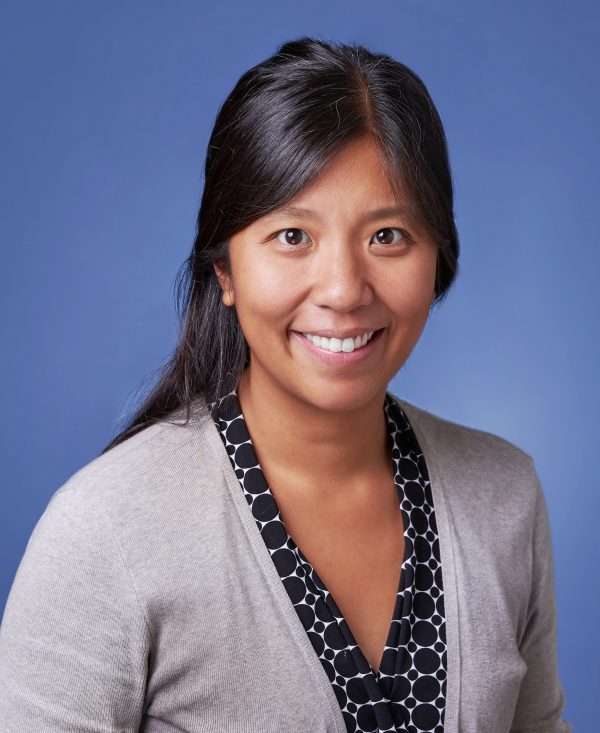
Dr Christina M. Cruz
Christina Cruz is an Assistant Professor in the Division of Child and Adolescent Psychiatry and the Division of Global Mental Health in the Department of Psychiatry at the University of North Carolina at Chapel Hill School of Medicine. Dr. Cruz is interested in improving the mental health of children and adolescents in resource-limited settings by meeting them where they are – everyday in their schools. She is the PI of TeaLeaf a research program focuses on the creating piloting, testing, and scaling of a task-shifting model of mental healthcare for school-aged children in Darjeeling, India.
Dr. Cruz received her MD from Harvard Medical School and concurrently her Master in Education in Prevention Science and Practice from the Harvard Graduate School of Education . While at Harvard pursuing dual degrees, she was named a Zuckerman Fellow. She earned her Bachelor of Science in Economics, with concentrations in Finance and Accounting, Summa cum Laude, from the Wharton School of the University of Pennsylvania.
Ms Juliana Vanderburg
Juliana Vanderburg is a fourth-year doctoral student in the School Psychology program in the University of North Carolina at Chapel Hill School of Education. She is a research assistant for a variety of projects focused on evaluating school-based interventions designed to promote student mental health. Ms. Vanderburg's dissertation work will focus on the design and evaluation of a caregiver's component for a children's mental health intervention in Darjeeling, India. She additionally works for the TEACCH Autism Clinic in Raleigh as a practicum student and serves as a teaching assistant in the School of Education. Prior to entering the doctoral program at UNC, Ms. Vanderburg worked as an elementary school teacher in Washington, D.C., and as a research assistant in New Orleans for a project that implemented and evaluated trauma-informed approaches in local schools. Ms. Vanderburg received both her Master of Science in Psychology and her Bachelor’s degree in Psychology and Spanish from Tulane University.
RATIONS TEAM
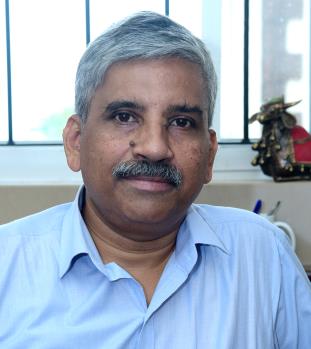
Dr Anurag Bhargava
Anurag Bhargava isphysician and epidemiologist is currently a Professor in the Department of Medicine, at Yenepoya Medical College in Mangalore, Karnataka, India, and Adjunct Professor in the Department of Medicine at McGill University. He is an advisory group member of the following technical groups: the SAGE –IVD (WHO Geneva); STAG-TB (WHO SEAR), the Indo-US RePORT-India consortium, and the National Technical Working Group on TB and Comorbidities of the National TB Elimination Programme.
He has three decades of experience in delivery of healthcare at all levels of care in India, including a decade spent as one of the founders of a large community health programme and rural hospital in rural central India. His research interests are in the field of tuberculosis, nutrition, acute febrile illnesses, and non-communicable diseases. He has led the development of 2 national guidelines and co-authored a third. He has led research which established undernutrition in adults in India as the major driver of the TB epidemic in India and undernutrition as a major reversible risk factor for mortality in patients with TB. His epidemiologic analysis of the historic Papworth socio-medical experiment in TB control (1918-43) showed that TB incidence in a high risk group could be reduced by more than 80% with social interventions including adequate nutrition. He is currently leading the largest field-based cluster randomised trial of nutritional support in TB affected households (the RATIONS study in eastern India) which aims at reducing TB incidence in household contacts and improving outcomes in patients. https://www.linkedin.com/in/anurag-bhargava-095a705b/
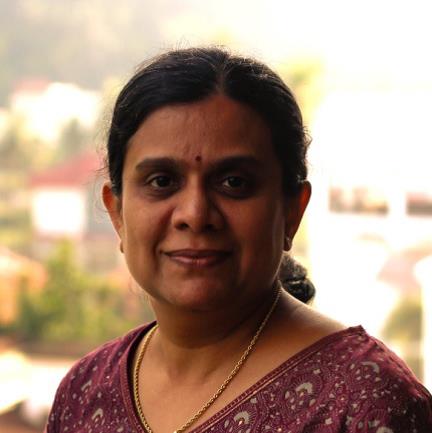
Dr Madhavi Bhargava
Dr Madhavi Bhargava is Assistant Professor, Department of Community Medicine, Yenepoya Medical College, Yenepoya University, Mangalore. Her areas of expertise is Community MedicineAnd Areas of interest is Community Nutrition, Nutrition Epidemiology, Social Determinants of Health, Public health ethics, Research Ethics. Her Areas of research is Overweight obesity in children Physical activity in adolescents Point of care testing in HIV Mutations in HIV-1 Non-B subtypes following ART Tuberculosis and Nutrition Disability Water, Sanitation and Hygiene (WASH) Research and publication ethics. Her Professional affiliations and contributions is Life member Indian Public Health Association,Member of the writing group for RNTCP ‘Guidance Document: Nutritional care and support for patients with tuberculosis in India’,Contributed to streamlining of ‘Mother Craft Clinic’ at Yenepoya Medical College,Reviewer for PLOS ONE, British Journal, Indian Journal of Community Health, British Journal of Medicine and Medical Research, CDC Preventing Chronic Disease